
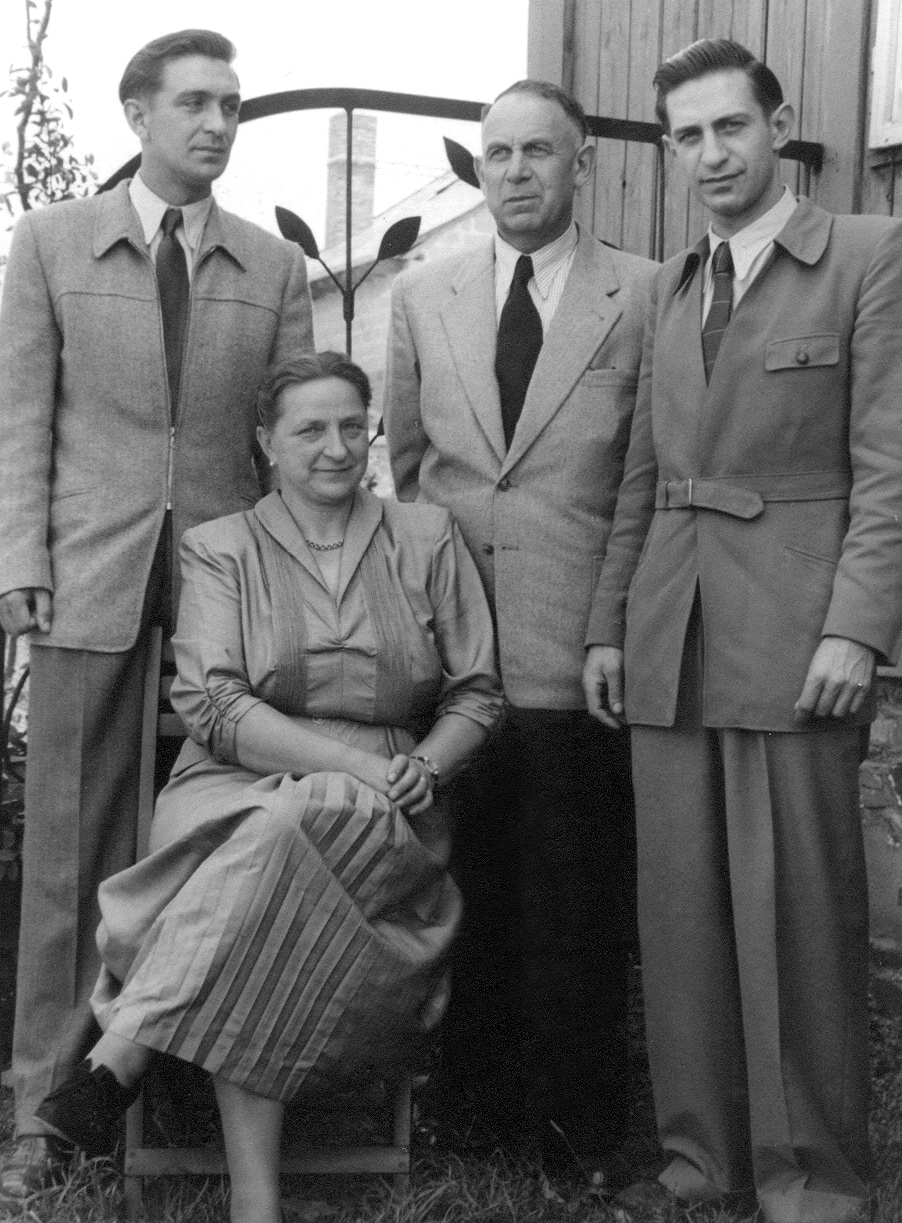
1952
Werner Grünewald developed special machines for the production of homokinetic joints and expanded the manufacture of joint shafts to large-scale production.
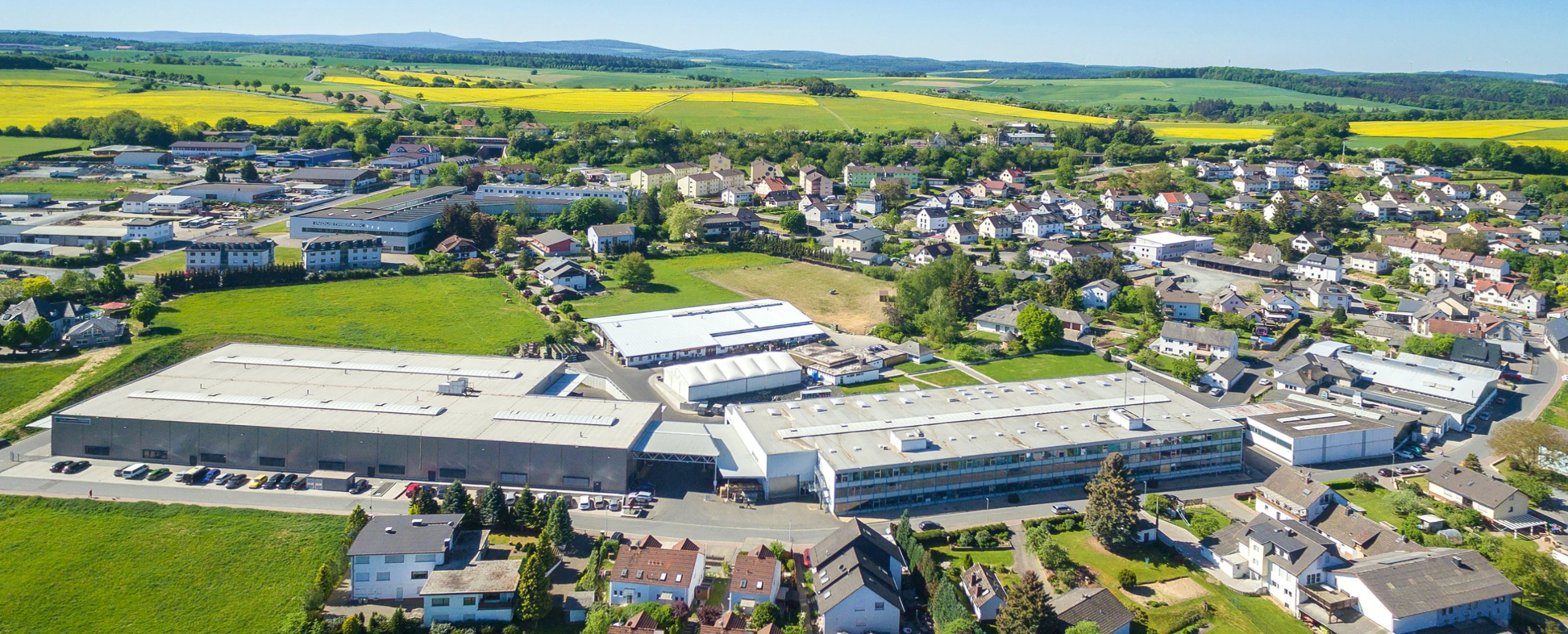
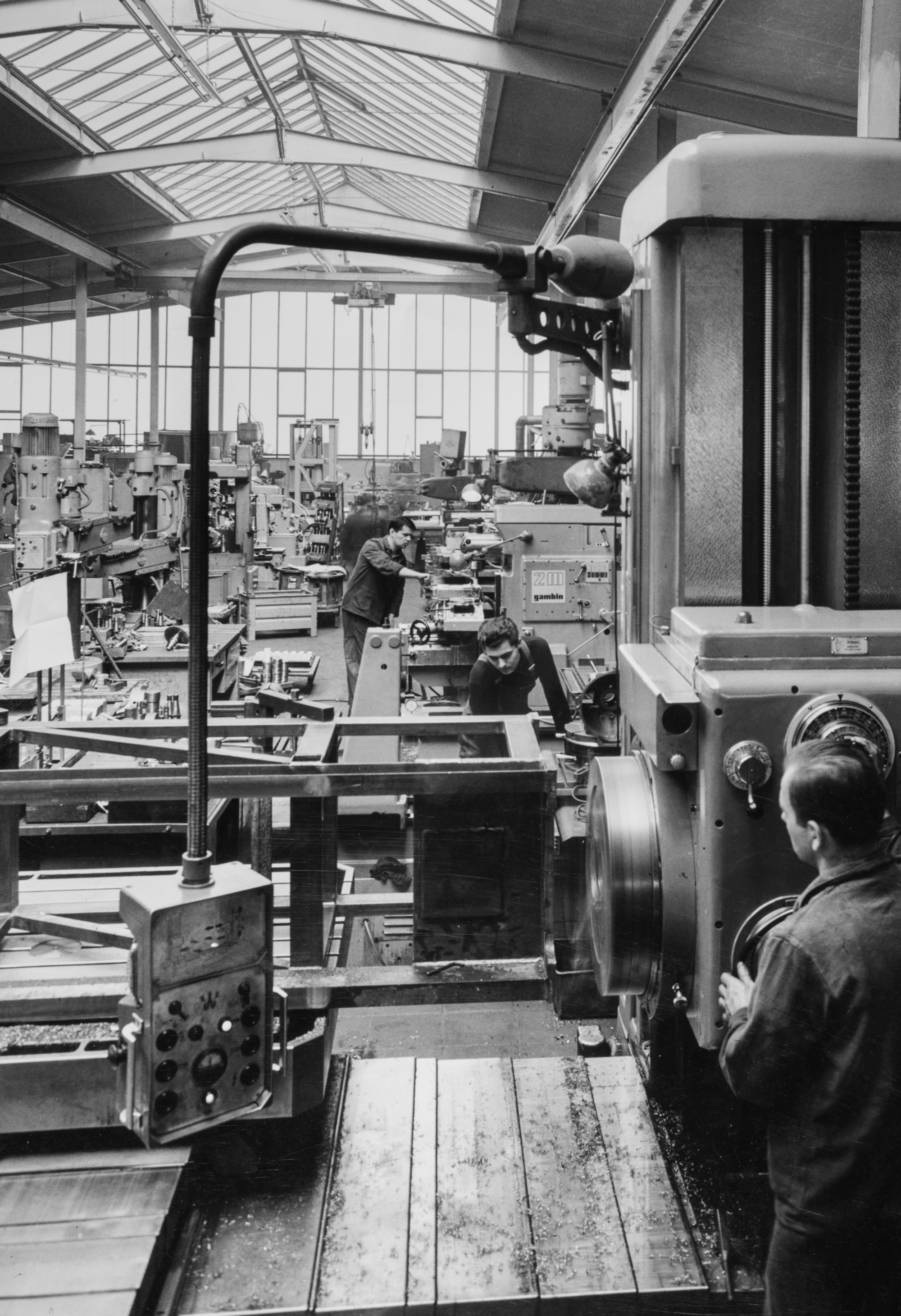
The location in Grävenwiesbach grew with the production of equipment, special machines, tools and prototypes for the automotive and machine construction industry.
1970
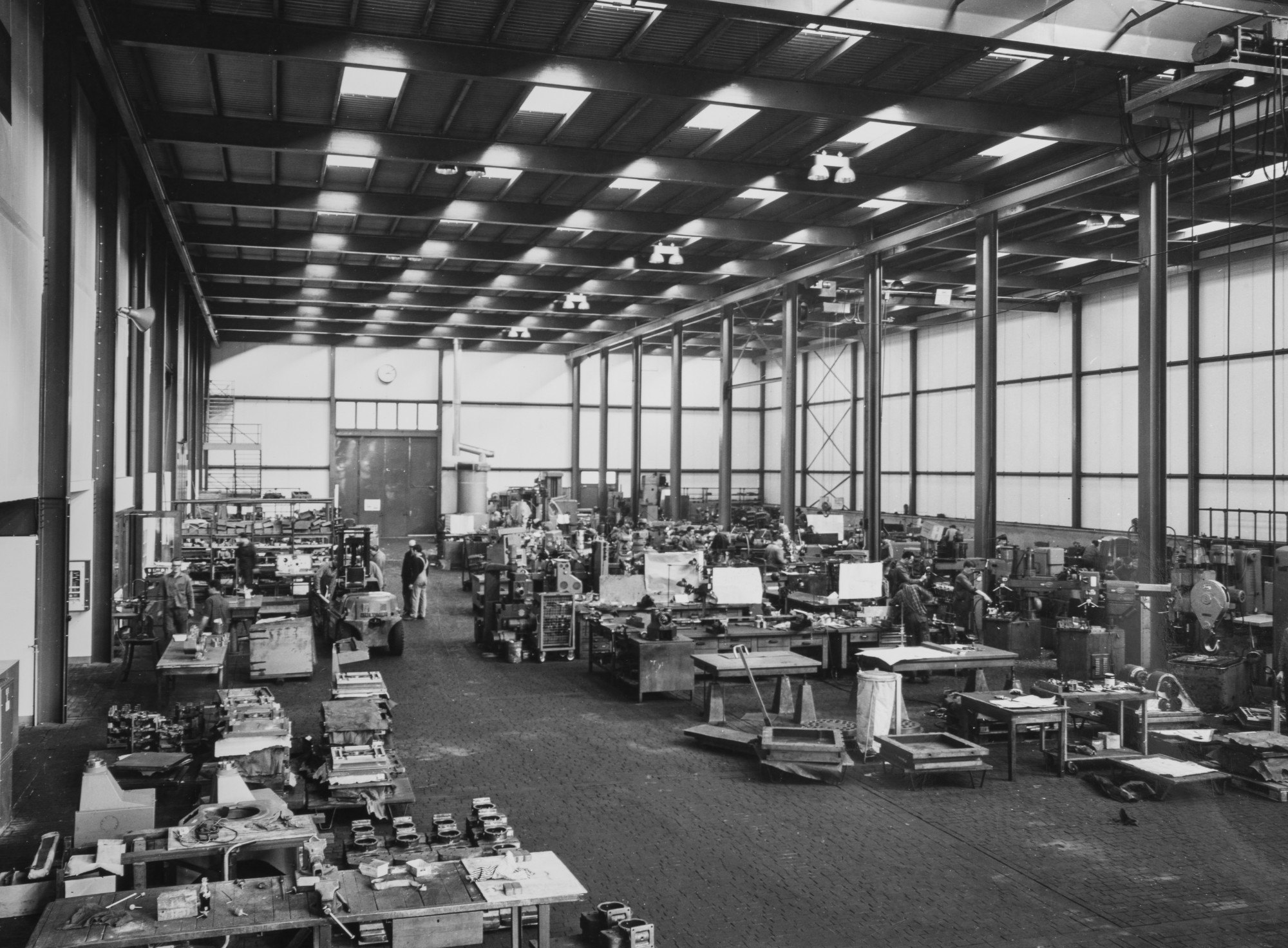
The branch plant in Weilmünster was built specifically for the production of joint shafts.
The location in Grävenwiesbach was expanded, and an indoor pool was added to the spa.
1997
Fire at the Weilmünster plant – an event that presented a great challenge for all involved. 50% of the machines and production areas were completely destroyed. The emergency plan, temporarily shifting production to Grävenwiesbach, was implemented effectively, and, three months later, production started again in Weilmünster.
1946
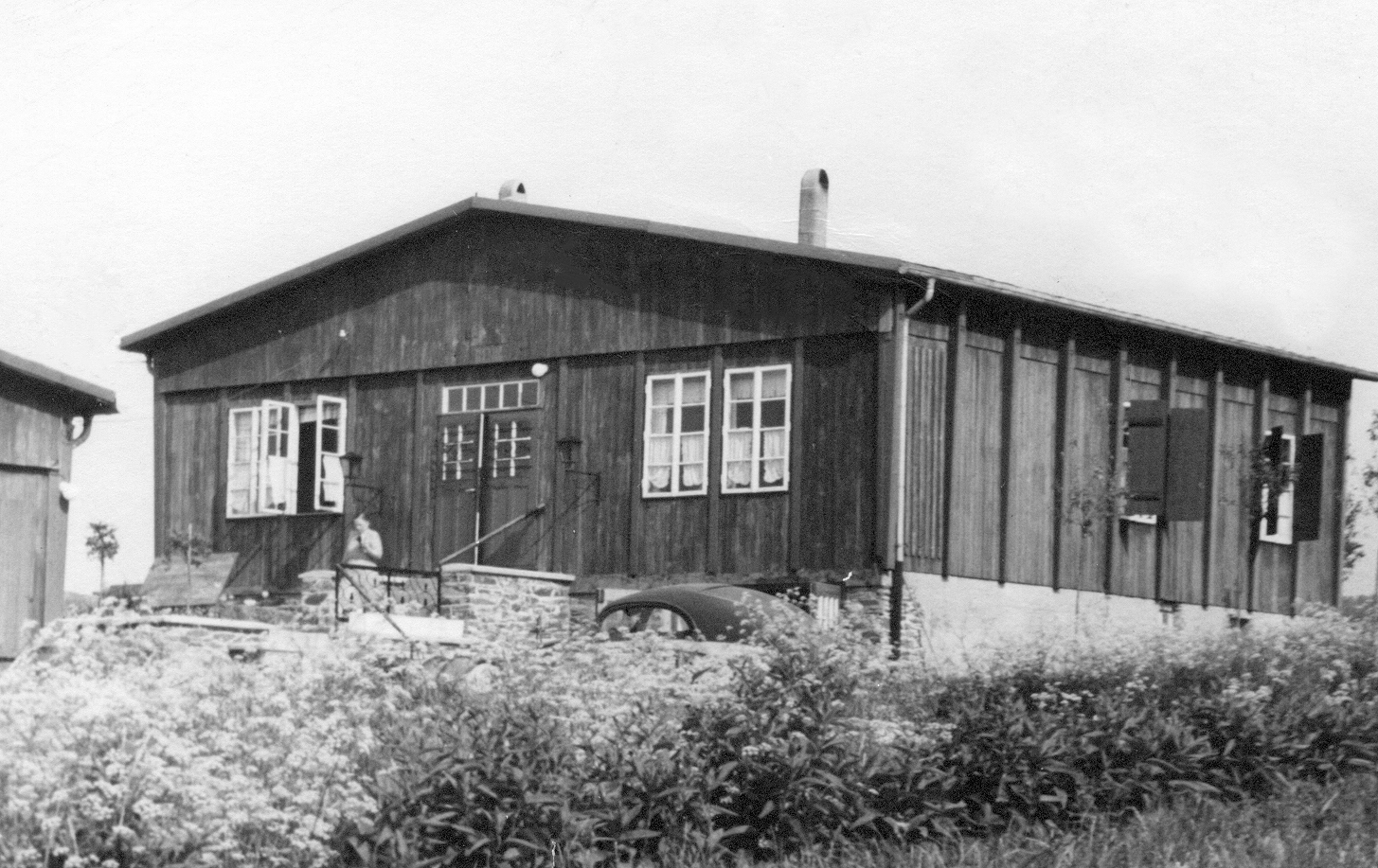
Josef Grünewald founded the company Josef Grünewald Feinmaschinenbau with his sons Hans and Werner in Grävenwiesbach, Germany, and they started the production of padlocks in a wooden barrack. It was already at this time that close collaboration began with Löhr & Bromkamp in Offenbach and the development and production of homokinetic joints for the automotive and machine construction industry.
2000–2016 | Investment and site development
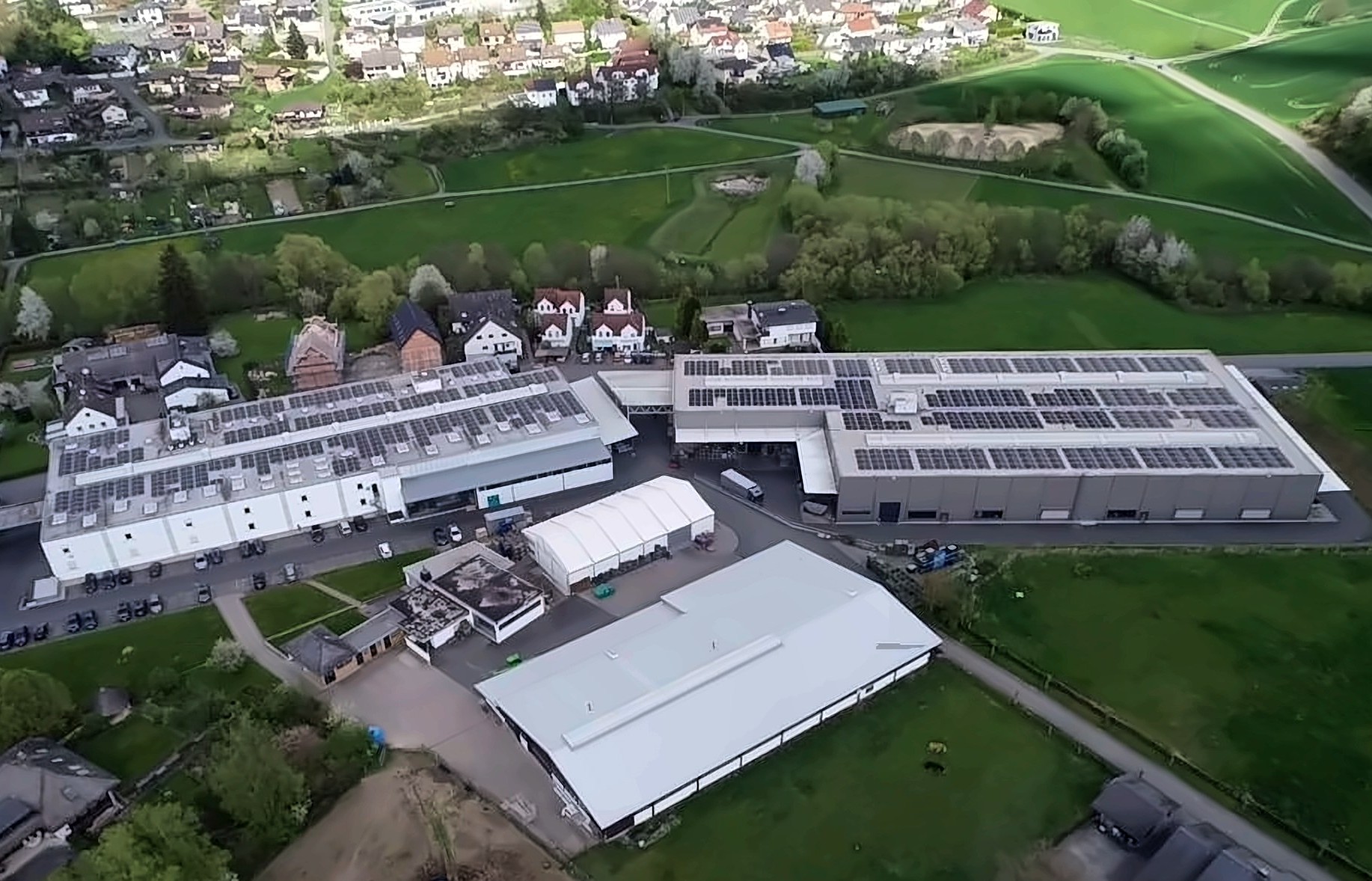
In 2006, Grünewald celebrated its 60th company anniversary with the opening of Josef-Grünewald-Straße and a monument honouring the company founder. After the death of Werner Grünewald in 2011 and the departure of Thomas Grünewald in 2012, Markus and Carola Grünewald continued to run the family business together. The following years were marked by extensive investment and modernisation at the Grävenwiesbach site. In 2013, the former spa building with its indoor pool was converted into an assembly hall, and in 2015 the riding hall was converted into a modern production and assembly hall.
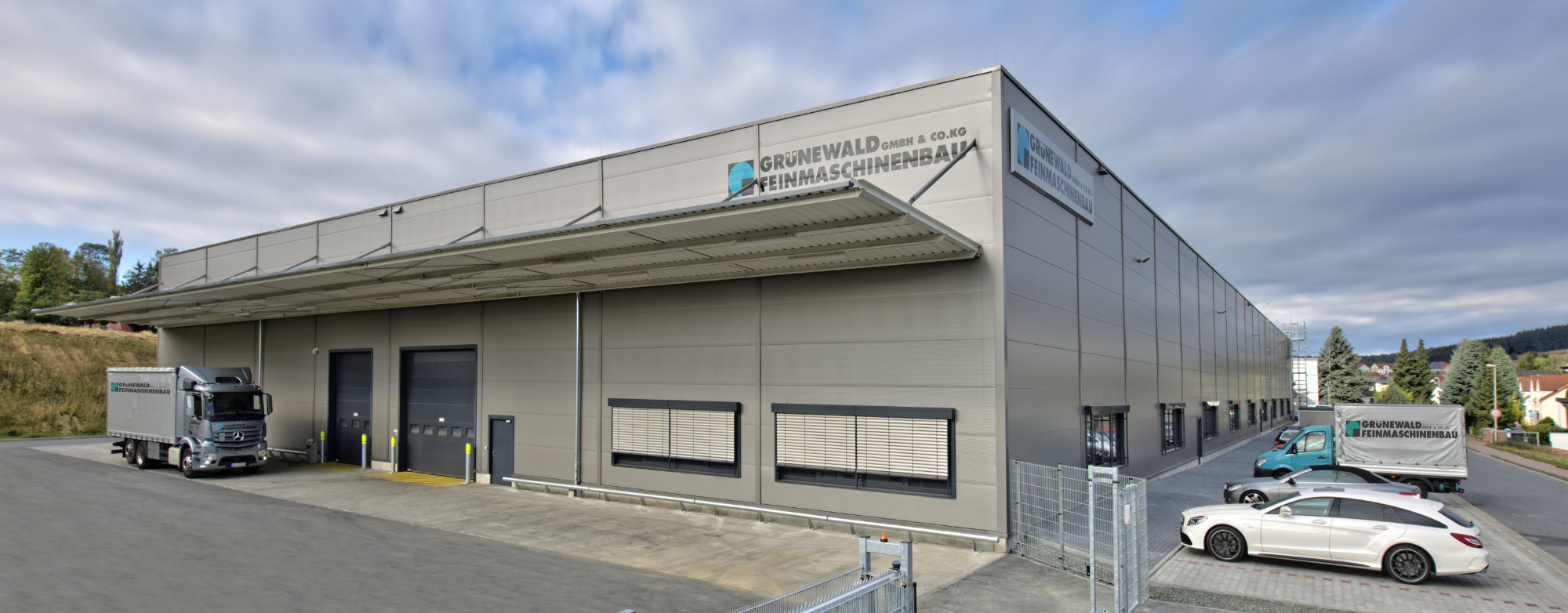
In 2016, as part of the 70th company anniversary, the newly built Hall 5 of around 5,000 m² was officially opened. It became the foundation for one of the largest series production projects in the company’s history.
2016–2026 | Innovation, change and generational transition
Between 2016 and 2023, drive and output shafts for Mercedes-Benz were manufactured in Hall 5 as part of a large-series project. With an output of up to 2,000 components per day, it became one of the largest and most significant projects in the company’s history. In 2019, Grünewald’s technological expertise and innovative strength were internationally recognised in China with the World Technology Leader Award. Following the restructuring in 2021, further strategic steps were taken to realign the company. From 2024, the Weilmünster and Grävenwiesbach sites were merged. With the integration of around 130 machines, the modernisation of Hall 4 and the commissioning of a photovoltaic system in 2025, important steps were taken for the future.
2026 marks a further milestone in the company’s history with the 80th company anniversary and the gradual transition to the fourth generation. Ann-Sophie and Lukas Grünewald and Mike Matthesen are taking on increasing responsibility and, together with the existing management, are shaping the future of the family business, with new impetus, innovative strength and a clear commitment to the Grävenwiesbach site.
As a certified supplier in accordance with ISO/IATF 16949: 2009, environmental management DIN EN ISO 14001:2009 and energy management 50001 for the automotive and machine construction industry, today the company works in the toll manufacturing mainly of joint shafts, driveshafts and pinion shafts for transmissions, equipment, tools and special machines as well as inductive and case hardening work.
The flexibility of the medium-sized company allows it to quickly resolve complex issues in the building of models and prototypes as well as in mass production.
Today’s core of personnel consists of 152 employees, who are mainly technicians trained in-house and have up to 50 years of work experience.
Grünewald’s company policy is determined by the managers. Long-term, medium-term and short-term goals are reviewed and revised at regular intervals.